Metropolitan Peter of Kiev and All Rus’ constantly traveled around cities and villages, instructing, teaching and inspiring Christians. Often, his path passed through Moscow. It wasn’t a capital then, but it was a noisy city, standing at a crossroads. To have a place to retire for prayer and reflection
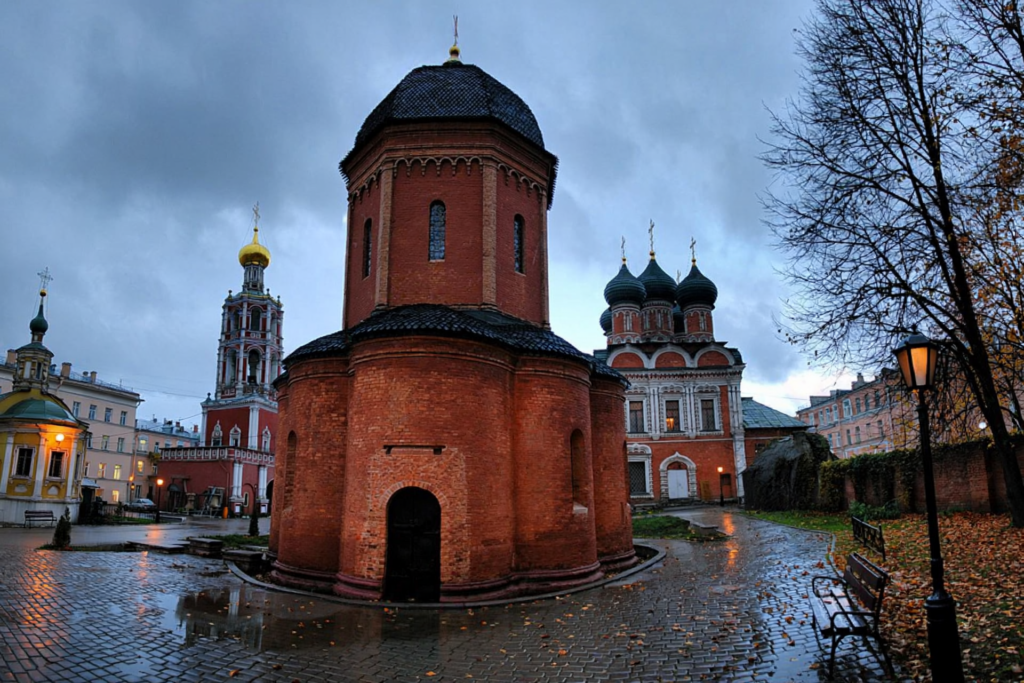
St. Peter founded a monastery in the village of Vysokoye. Now they call it Vysoko-Petrovsky, but for a long time it was called Petropavlovsky, after the name of the first temple. This happened either in 1315 or in 1317.
The monastery was patronized by princes and kings, but its true flourishing began when the Naryshkin family became part of the royal family. Their estate was located nearby, and all members of the family considered the monastery “theirs.”
The first stone temple was built only in 1514. Before that, all buildings were wooden. The temple was dedicated to Metropolitan Peter.
In the 17th century, the Naryshkins assigned part of the estate to the monastery and its area increased sharply. They began to build new churches: the Nativity and Bogolyubskaya churches, the Intercession Church with a bell tower. The abbot’s chambers and cell building were built.
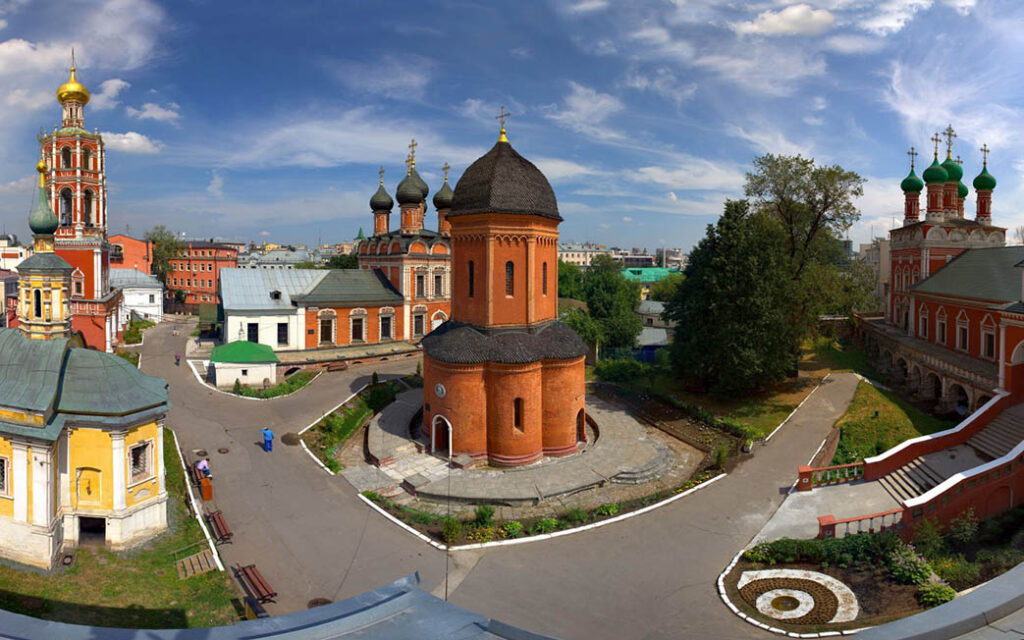
In the 18th century, the churches of the Tolga Icon of the Mother of God and Pachomius were added to them, which was later consecrated in honor of Peter and Paul.
In the 19th century, the monastery had to survive the invasion of the French. A cavalry regiment was stationed there. The military commandant of Moscow, Marshal Mortier, carried out demonstration executions of Muscovites within the walls of the monastery. Temples were looted and destroyed. It’s good that the abbot managed to take out the most valuable things. A slaughterhouse was set up on part of the territory. Carcass hooks were driven directly into the icons.
After the War of 1812, the monastery was restored, but it did not achieve its former greatness. By 1901, 15 inhabitants lived there.
In the 20th century, all utensils and decorations were requisitioned. The last service in the monastery was held in 1929. But the community did not disperse, and the monks served in secret. It was decided to consider civilian work as obedience.
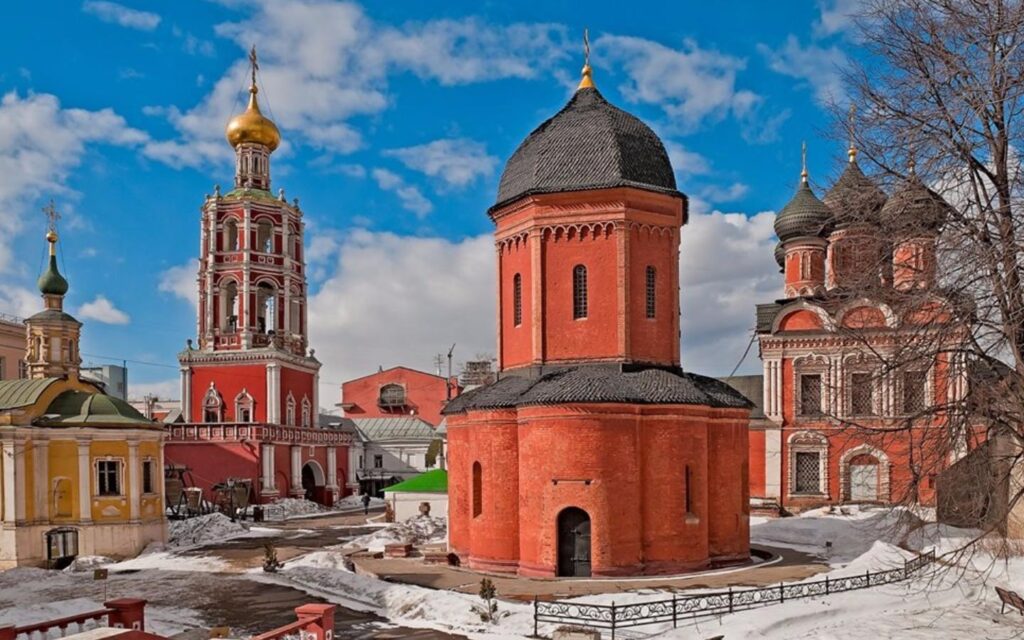
In the 50s of the last century, restoration work began, which dragged on for
dozens of years.
In 1991, the monastery was returned to the Russian Orthodox Church. It became the Patriarchal metochion, and the Russian one was opened there
Orthodox Institute.
Since 2009, monastic service has resumed.
Shrines
1. Icons of the Mother of God6 Tolga, Kazan, Vlacherskaya, Inexhaustible Chalice
2. Particles of the relics of Peter and Paul, St. Peter, Nile of Stolobensky, Sergius of Radonezh and other saints of the Orthodox Church.
3. Cross with a particle of the Lord’s cross.
Charitable Foundation Holy Land
Temples and Monasteries of Russia