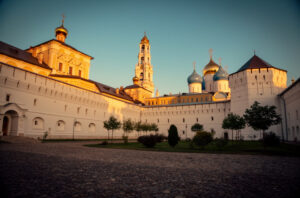
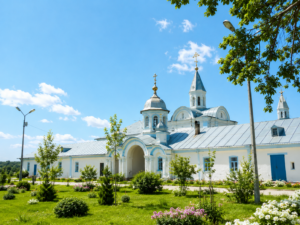
In the heart of Moscow, on the noisy Big Lubyanka, stands the Sretensky Monastery. It’s more than ancient walls. This is a prayer frozen in stone, a stone chronicle of a miracle, born of great fear and no less great hope. It seems that the stone fence breathes here, separating the bustle of the metropolis from the space of silence and power, where every brick remembers the story of the miraculous salvation of the city.
The turning point came in 1395. Inexorably approached Moscow countless hordes of Tamerlane — Iron Khromets. The death of the capital seemed predetermined. Then the prince and Metropolitan Cyprian make a decision of spiritual resistance: to ask for the intercession of the Queen of Heaven. From Vladimir to Moscow, a ten-day procession carries a great shrine — the Vladimir Icon of the Mother of God. Where the Muscovites met the image with tears, and the inexplicable happened: at that very hour the invincible conqueror in a dream saw the formidable Wife and, without taking the fight, deployed the troops. The stunned army retreated into the steppes, and Moscow was rescued without a single shot being fired. It was on this sacred place of “meeting” (meeting) that the prince ordered to lay the monastery, and the day of September 8 (August 26, old style) became the main Moscow holiday.
Centuries passed, wooden buildings were dilapidated and burned. The modern appearance of the monastery was determined at the end of the XVII century, when the five-domed cathedral that has survived to this day was built on the funds of Tsar Feodor Alekseevich. If you go inside this temple, raise your head up — you will be greeted by amazing frescoes of the early XVIII century. This is the last masterpiece of ancient Russian art in Moscow, miraculously surviving centuries. Unlike many, this cathedral was not demolished in Soviet hardship, although the monastery itself experienced a terrible defeat. It is easy to imagine how the heroes of 1812 calmed down in the monastery cemetery, and later, in the thirties, technique rumbled here, destroying ancient temples for the sake of “expansion of roads”, and a terrible department was located very nearby, turning the holy place into a firing range.
The contrast of the story is shocking. In the XX century, domes were mercilessly broken here and people were put to the wall, and today there is a bowing cross in memory of the dead in front of the entrance. Within the local walls, the future Patriarch Pimen took tonsure, and today thousands of people go here to touch the shrines: the relics of the Hilarion or the mysterious imprint of the Shroud of Turin. Life has returned here forever and even boils in a special way: the largest Orthodox publishing house operates, and new pastors come out of the walls of the seminary. The monastery again towers over the city, like a ship in the midst of storms, reminding that it is not weapons that save you from great trouble, but faith.
Charity FundHoly Land.
Russian Temples and Monasteries