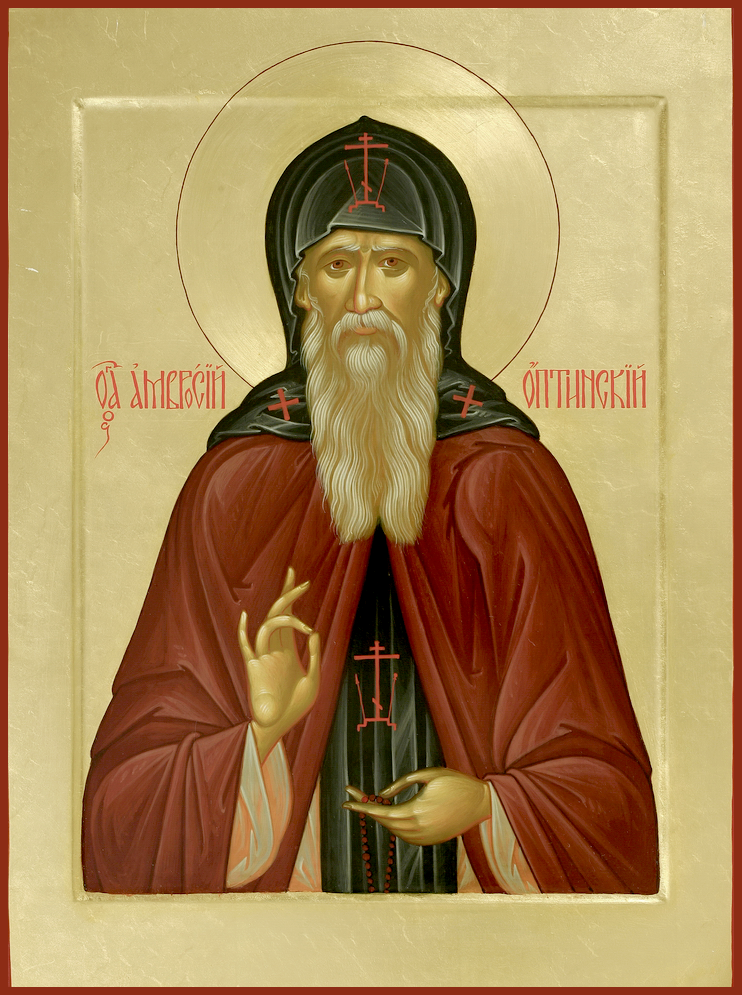
Orthodox believers celebrate July 10 as a day dedicated to the event of 1998 — the discovery of the holy remains of seven inhabitants of the Optina Hermitage. This date took its official place in the liturgical year by the decision of Patriarch Kirill on November 12, 2022.
In the summer of 1998, the relics of St. Ambrose were raised from the ground, and with them the honorable remains of the elders Leo, Macarius, Hilarion, Anatoly the Elder (Zertsalov), Barsanuphius and Anatoly the Younger (Potapov). It was this joint acquisition that formed the basis of the holiday.
The future ascetic, named Alexander at birth, was born in 1812. His father served as a sexton in the Tambov village of Bolshaya Lipovitsa. The seminary years were overshadowed by a serious illness, during which the young man made a vow to devote himself to monastic life in case of healing. The body became stronger, but the determination to leave the world did not increase — four years of doubt passed before a meeting with a wise, spirit-bearing husband in 1839 led Alexander to Optina Pustyn. There he was accepted into the ranks of the brethren, and in 1842 they put on a mantle, giving him the name Ambrose.
After a few years, the chronic illness worsened so much that the monk was expelled from the staff. Physical suffering accompanied the saint until the end of his days, and he perceived it not as punishment, but as a healing remedy for the soul, enduring it without complaint. After the death of his spiritual leader, Elder Macarius, Ambrose took over the care of the people. The flow of pilgrims grew rapidly: people came from all over Russia for brief instruction, support and insightful words.
At the beginning of the seventh decade of the 19th century, with his blessing, the Shamorda Kazan community for disadvantaged women began to operate. Almost twenty years later, in 1890, the elder finally moved to this monastery and completed his earthly journey there a year later — in 1891. The church-wide glorification of Ambrose of Optina took place in 1988, exactly ten years before the discovery of his relics.
Optina Hermitage, near Kozelsk, was the largest center of Orthodox asceticism in the centuries before and last. The Council of its elders left a rich spiritual heritage, a significant part of which reveals the theme of prayer — its stages, conditions and significance for the salvation of the individual.
Days of Remembrance
July 10 — Finding of relics
July 31 — Cathedral of Kaluga Saints
August 10 — Cathedral of Tambov Saints
September 23 — Cathedral of Lipetsk Saints
October 23
October 24 — Cathedral of all saints who shone in Optina Hermitage
Charity FondHoly Land
Investment in the Soul! News