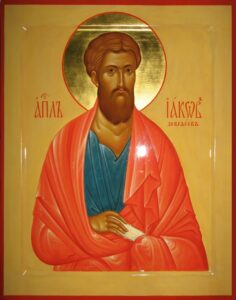
At the end of the IV century, death sentences were carried out on the territory of the Persian kingdom against representatives of the Christian clergy. Presbyter Jacob, deacons Azadan and Auditius shared the fate of Bishop Akepsim, who had been captured earlier by the authorities (the latter’s day of remembrance is November 3).
The trial of the clergy took place during the reign of monarch Sapor II. In those years, the followers of Christ in Persia were subjected to systematic repression: the official religion of Zoroastrianism perceived Christianity as a direct threat to the state foundations.
Refusal to participate in pagan rituals became a formal reason for arrest. From the moment of imprisonment to the verdict passed considerable time — prisoners deliberately starved in prison conditions.
The methods of influencing the convicts were particularly cruel. In the nasal cavities, each was poured a caustic mixture — mustard dissolved in vinegar. Then the defendants were stripped naked and left outside in sub-zero temperatures for the whole night.
The next day, the executions resumed. It was only after this that Jacob, Azadan, and Audikiah were returned to the room, where they were beheaded. Data on the further fate of the bodies have not been preserved.
Information about what happened was later included in the church vaults. The names of those executed are still listed in hagiographic calendars as an example of refusing to renounce their faith under torture.
Memorial Days
April 23
The Holy Land Charitable Foundation
Lives of Saints