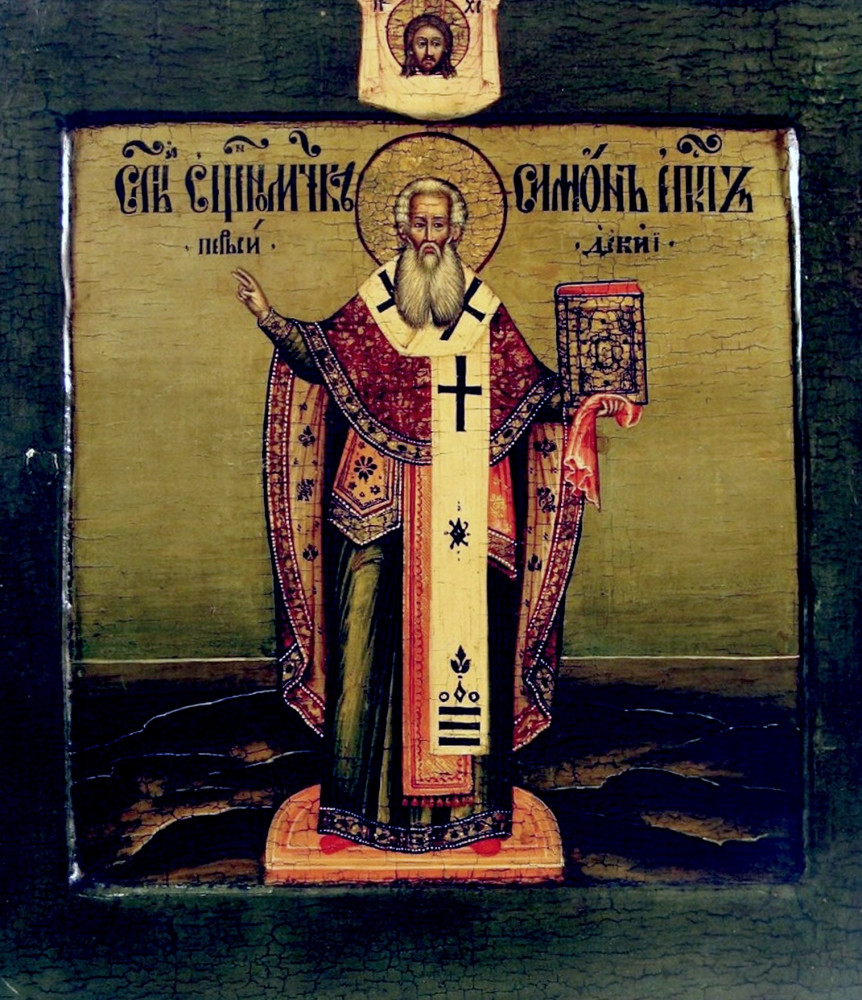
In April 344, the capital of Sassanid Iran became the site of one of the most mass executions of early Christianity. For refusing to worship the sun and pay a new tax during the Easter week, Bishop Simeon and, according to various sources, from 1,150 to 1,250 of his co-religionists were beheaded.
The conflict provoked the decree of Shahinshah Sapor II, who imposed large taxes on the followers of Christ. When some of the faithful refused to pay, the authorities regarded it as a rebellion, and the primate of Seleucia-Ctesiphon received a denunciation of ties with the Greeks and enmity against the throne. Simeon was shackled and brought to trial with two elders, Avdelai and Ananias.
In the face of the ruler, the bishop demonstratively violated etiquette, without bowing. To the demand to explain the audacity, he replied: honors are possible only before a dignitary, but not before a persecutor who forces apostasy. Shah demanded to worship the sun, threatening to exterminate Christianity in the country completely, but the prisoner did not flinch.
There was a turning point on the way to prison. The former teacher of the king, the eunuch Usfazan, greeted the condemned, but the saint turned away, reproaching the courtier for cowardly idolatry. The stunned elder publicly repented, changed his lush robes to his garment and told Sapor II of his return to the One God. The monarch, surprised by the sudden stubbornness of the pet, tried to convince him gently, but after a firm refusal he ordered to be executed. At Usfazan’s personal request, the heralds announced to the city that he was dying not as a criminal but as a Christian.
During the second interrogation, Simeon again confessed Christ. The Shah ordered all believers to die before his eyes. The convicts approached the executioner without fear, accepting the blessing of the bishop. Presbyter Avdelay was the first to lay his head. When Ananias’ turn came, he hesitated for a moment. A secret follower of Christianity, Grandma Fusik, frightened by the elder’s renunciation, shouted words of support – and thus revealed himself. Fushika was torn out his tongue and skinned alive; his daughter Askitreya was tortured with him. The bishop himself was the last to rise on the block.
The executions did not stop until April 23. The chronicles record the death of three waves: a thousand people, then another hundred, and then another hundred and a half. Among the dead was a dignitary close to the throne, the eunuch Azat.
Memorial Days
April 30
The Holy Land Charitable Foundation
Lives of Saints