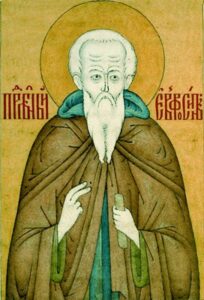
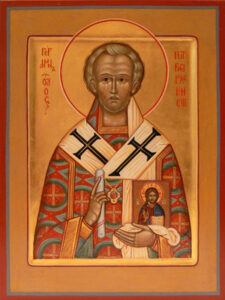
A young aristocrat from Caesarea of Cappadocia was martyred in 362, coming into direct conflict with the policies of Emperor Julian. The reason was a pagan temple dedicated to Fortune.
The noble Christian Eupsychios celebrated the wedding, when the ritual of sacrifice to the mentioned goddess was held in the city. Considering what was happening an insult to faith, the young man organized a crowd and wiped the sanctuary from the face of the earth. Realizing the consequences, he immediately got rid of all his fortune in favor of the poor.
The retaliation was collective. The enraged ruler wiped Caesarea off the maps, returning the village’s archaic name to Maza. Representatives of the nobility were expelled, priests were assigned to the army, and the church treasury was seized. The destruction of the city was promised in case of refusal to restore the damaged temple. Eupsychius himself was subjected to many days of torture: the body was tormented with hooks, and then the head was cut off.
After a while Julian went to war on the Persians and made a stop at the walls of the former Caesarea. Basil the Great, who headed the local department, presented the ruler with barley cakes. The monarch ridiculed the archpastor with a sprig of grass. A verbal duel ensued: the saint pointed out the impossibility of transforming fodder into bread, and Julian accused the opponent of inciting the destruction of the temple. The ruler announced the massacre after a military campaign, but the plan collapsed: in 363 he fell from the blow of the warrior Mercury. Subsequently, Christians erected a church over the tomb of the sufferer, and the relics of the ascetic became famous for healing.
Memorial Days
22 April
The Holy Land Charitable Foundation
Lives of Saints