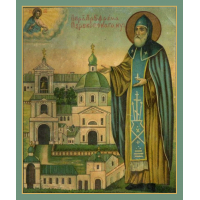
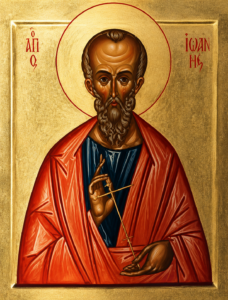
Herman was born in the family of a nobleman, in Constantinople. In the 7th century, endless intrigues and conspiracies were woven in the palace. Herman’s father was executed by order of the emperor. The boy was sent to the clergy. He studied the Holy Scriptures and spent a lot of time thinking. Attracted.
He was humble in his life, but he was passionate in his spiritual life. He was first bishop and later elected patriarch. The patriarchal throne went to Herman during the time of iconoclasm. He fervently defended the possibility of venerating icons, but the iconoclasts were encouraged by Emperor Leo III.
The emperor tried to introduce new canons through the Council, which included his supporters. The Patriarch refused to take part in the Council and demanded the convocation of an Ecumenical Council. In such a situation, the saint considered it necessary to send several shrines to the Pope. They are still kept in the Basilica of San Lorenzo.
Seeing that the forces were unequal, Herman left the pulpit. The emperor ordered him to be beaten and expelled from his home. After 14 years on the patriarchal throne, Herman retired to a monastery, where he died in 740. At first, his relics were kept in a monastery, but later they were transported to France.
Saint Herman left several works. He interpreted the Scriptures and denounced the heretics. His messages on the veneration of icons were the main argument at the 7th Ecumenical Council.
Memorial Day
May 25
The Holy Land Charitable Foundation
Lives of Saints