The Navy and Orthodoxy are inextricably linked. In the name of the Lord sailors went to battle, the names of the saints called ships. It was in the sea hospital for the first time began to serve nuns. The care of the departed sailors was entrusted to the church.
Having created the fleet, Peter I further emphasized this connection, choosing for the sea flag the image of the cross of Andrew the First-Called, the patron saint of Russia. Service on the ships was conducted daily. When there is only a thin wooden deck between you and the abyss, you involuntarily rely on
Providence and God’s protection. There is a Russian proverb that says, “He who did not swim on the sea did not pray to God.” The great naval commander Fedor Ushakov did not go into battle without a prayer service, and as you know, he did not lose a single battle.
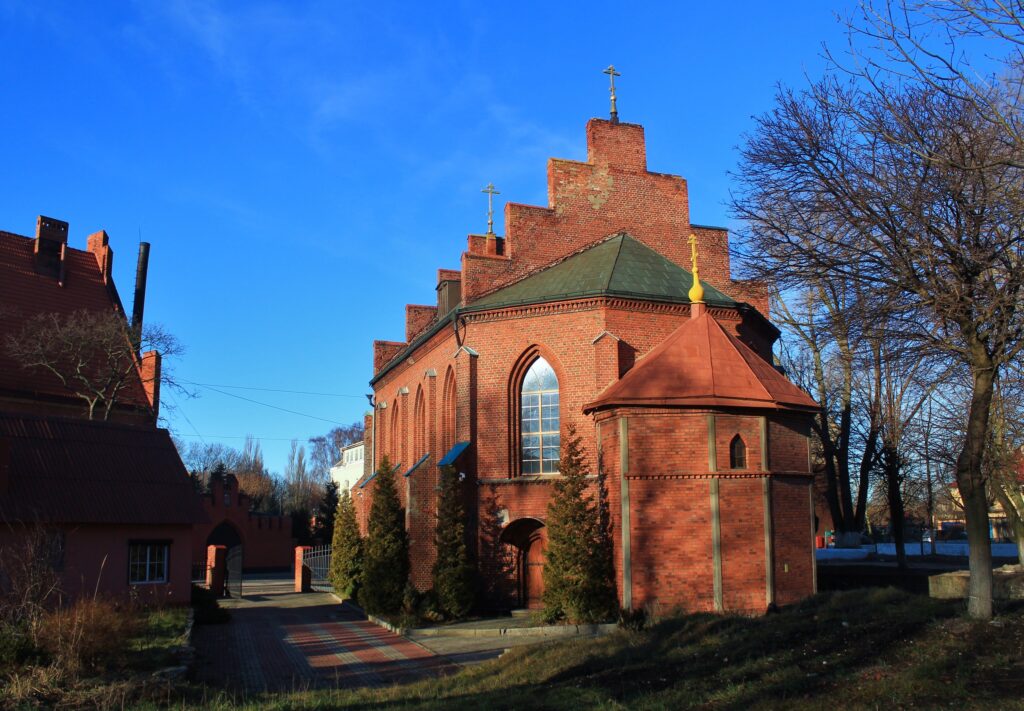
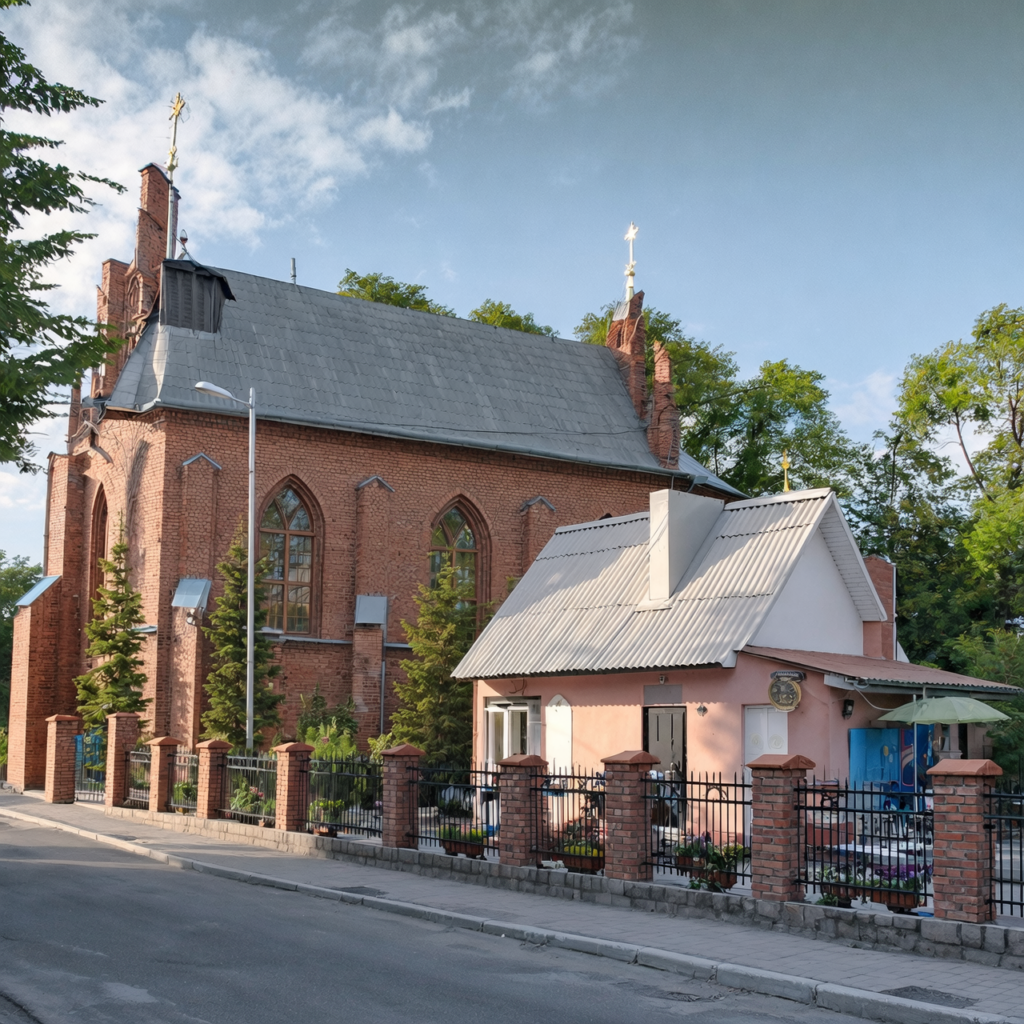
When the question arose about the choice of a building for the cathedral of the Baltic Fleet, they decided to use for it the dilapidated, abandoned building of the Pillau church in Baltiysk.
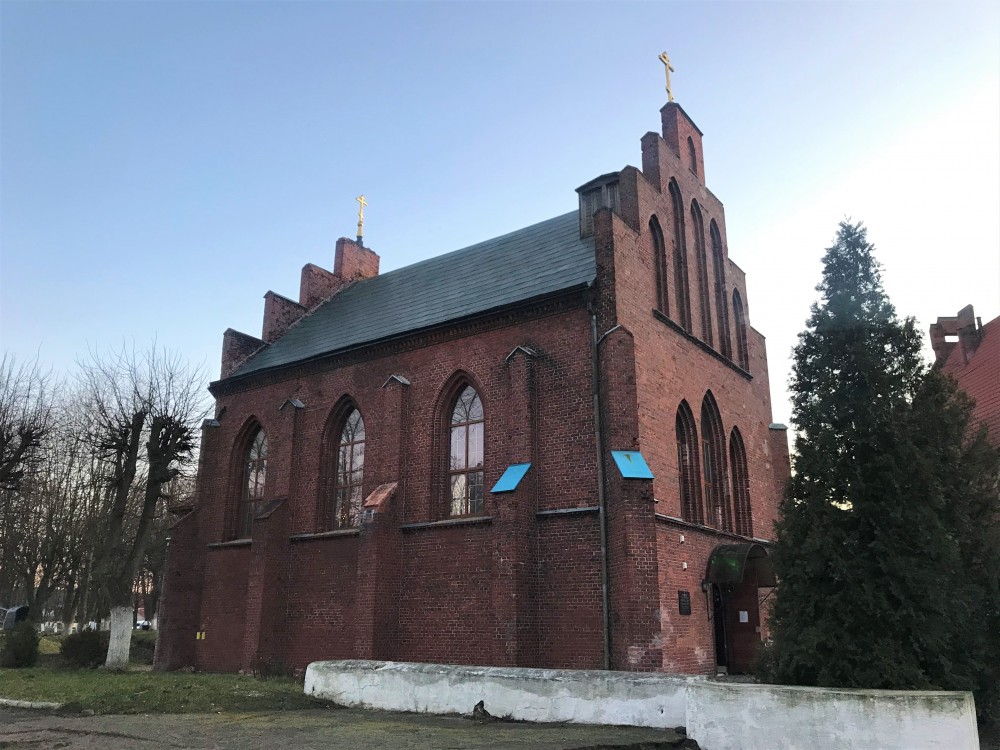
The church building was built in 1866. Impressions were made by restraint rather than wealth. Outside and inside it was not much decorated. During the war, the building was badly damaged, dilapidated quickly and awaited its sad end.
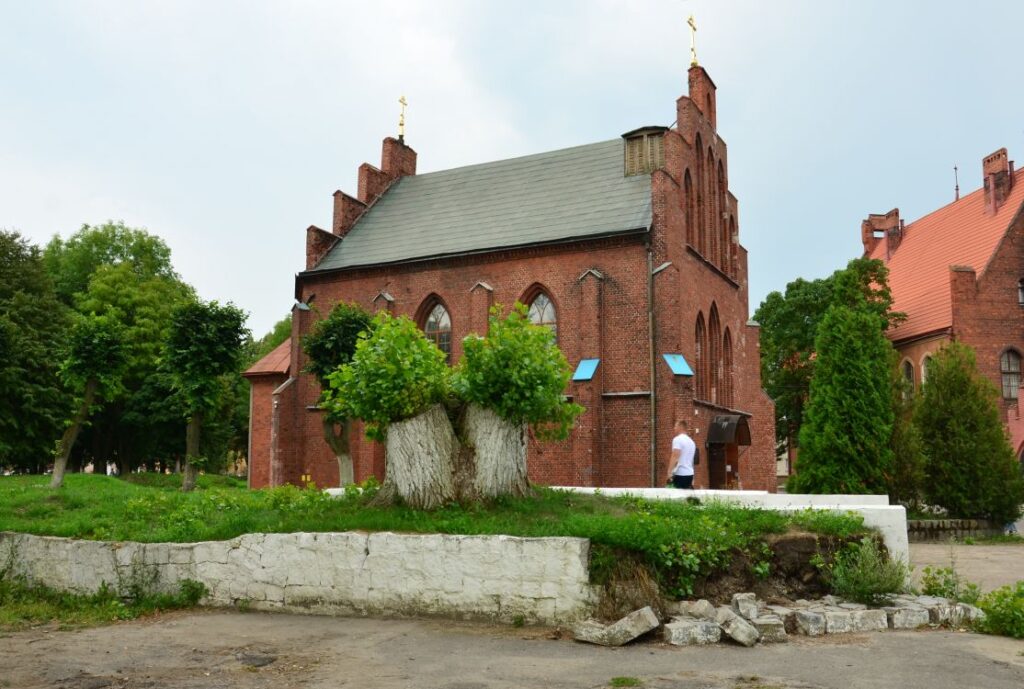
After the collapse of the Union, the historical ties between Orthodoxy and the Russian fleet began to be restored. Then they decided to arrange a cathedral of the Navy in the former church. After repair work, the temple was consecrated. In 2001, a particle of the relics of the first Russian saint, the naval commander Fyodor Ushakov, was delivered there. The rector of the cathedral proudly notes that the miracles of power are unusual for the fleet: they help childless families. There were already 4 cases when children were born through prayers to the saint. Having no children himself, Saint Fyodor helps families who want a baby.
From the outside, the church looks strict, even harsh. But the pointed windows fill the temple with light from the inside, and the stained glass window makes this light warm, soft.
Another pride of the temple is an unusual iconostasis. It was installed to celebrate the 300th anniversary of the Russian fleet in 1996.
The lower part represents the sea. Carvers used marine elements: animals, wind rose, sea ropes. The middle part is the earth. Animals and plants smoothly pass into the third part — the heavenly. Birds, stars, and above all – the cross as a symbol of eternal life.
The Cathedral of George the Victorious is the westernmost cathedral of Russia. Its opening made it possible for Orthodox believers to gather together for prayer, participate in the Sacraments, educate children in the traditions of the Orthodox faith. And it is easier for sailors to perform service when they know that they pray for them, put candles, serve prayers.
Charitable Foundation Holy Land
Russian Temples and Monasteries