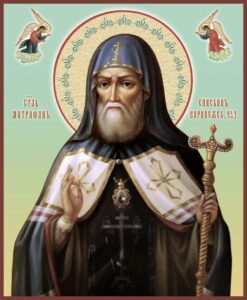
The disciples of St. Andrew the First-Called suffered martyrdom in the icy waters near the future Alushta
Three preachers who converted many pagans to Christianity on the northern borders of the ancient world were executed by order of a local prince in the midst of a harsh winter. Their names — Inna, Pinna and Rimma — were preserved in ancient monthly books and notes to hagiographic collections.
Early Christian texts indicate that all three came from a barbarian environment and inhabited the northern regions of Scythia. Later comments clarify the geography: according to church historian Evgeniy Golubinsky, we are talking about Dorian Gotthia — a coastal strip within the borders of modern Crimea, stretching from Balaklava to Sudak. There, the preachers became followers of the Apostle Andrew and began to independently baptize their fellow tribesmen, turning them away from idolatry.
The mission aroused opposition from the local ruler. They tried to persuade the detainees to renounce the new faith with the promise of wealth and status, but all promises were rejected. For their firmness in their convictions, the prisoners were severely beaten, after which they carried out an execution that corresponded to the severe cold.
The reservoirs were covered with ice so strong that not only people, but also carts with horses passed through it. In the middle of the frozen river, thick logs were reinforced vertically. The convicts were tied to these posts, and under the weight of the tree, the icy surface began to subside, plunging their bodies into the water. When the icy liquid reached the necks of the captives, their earthly journey ended.
The remains were secretly buried by fellow believers. Later, the burial was opened by the bishop — the Slavic edition of Vasily II’s month book calls it by the Gothic name Godla, in other sources the form Gedets appears. The priest transferred the relics to his episcopal church.
Seven years later, as legend tells, the martyrs appeared to the same bishop and ordered their remains to be moved to the village of Alix, to a “dry refuge.” Modern researchers identify this place with Alushta on the Black Sea coast, lying 42 versts northeast of Yalta. At that time, a “dry shelter” meant a protected sea harbor.
Thus, the memory of the three Scythian ascetics was enshrined in church calendars, and their relics, according to testimony, found peace in the Crimean settlement, which is still known today.
Days of Remembrance
February 2
July 3
Charity FondHoly Land
Investment in the Soul! News