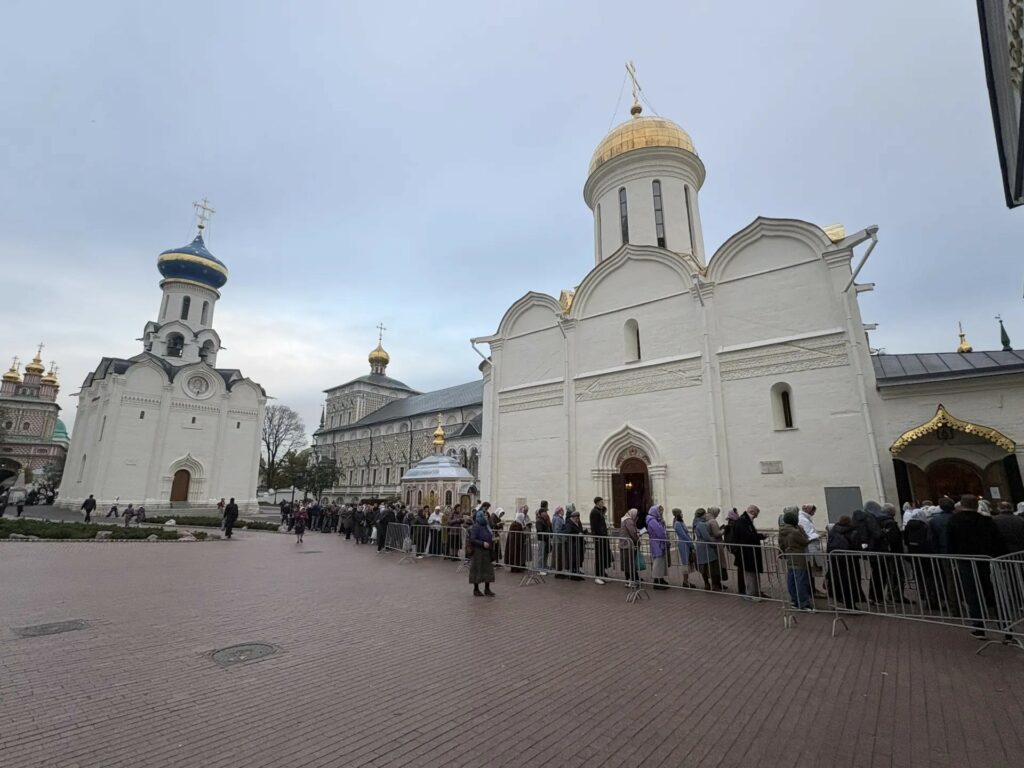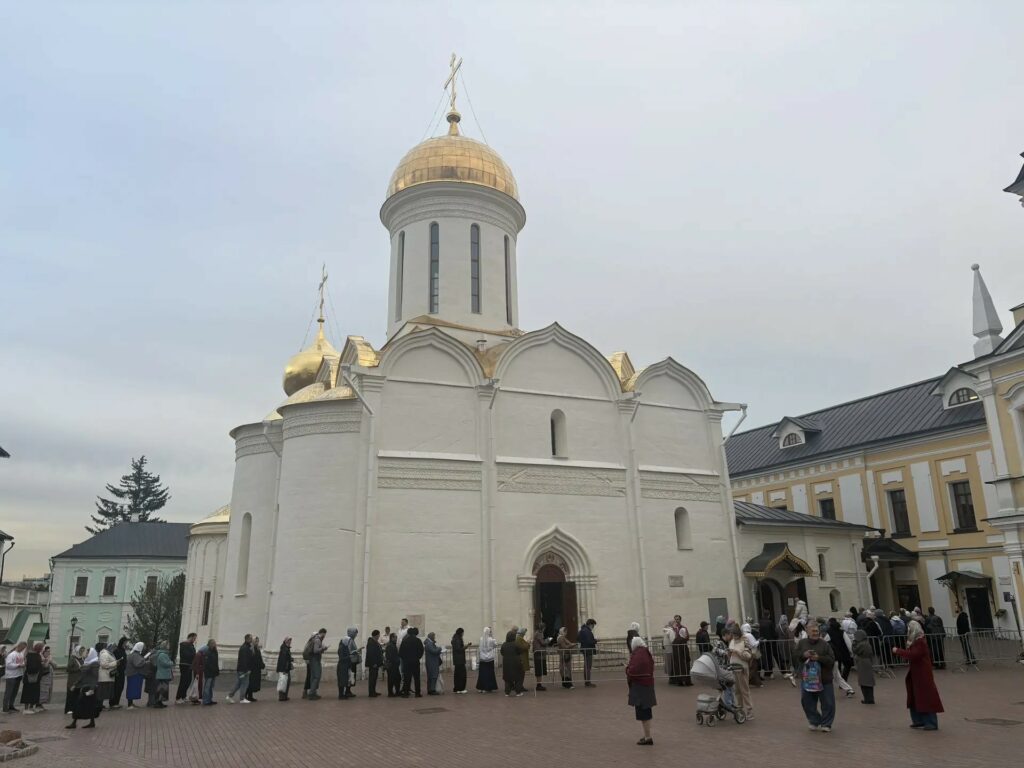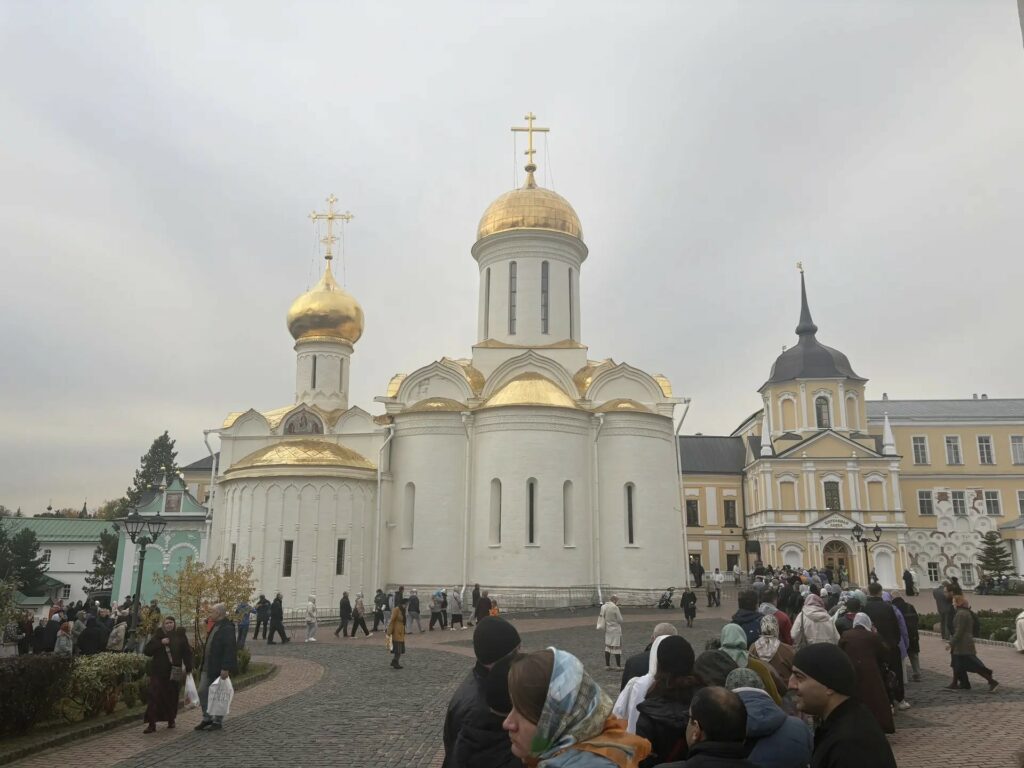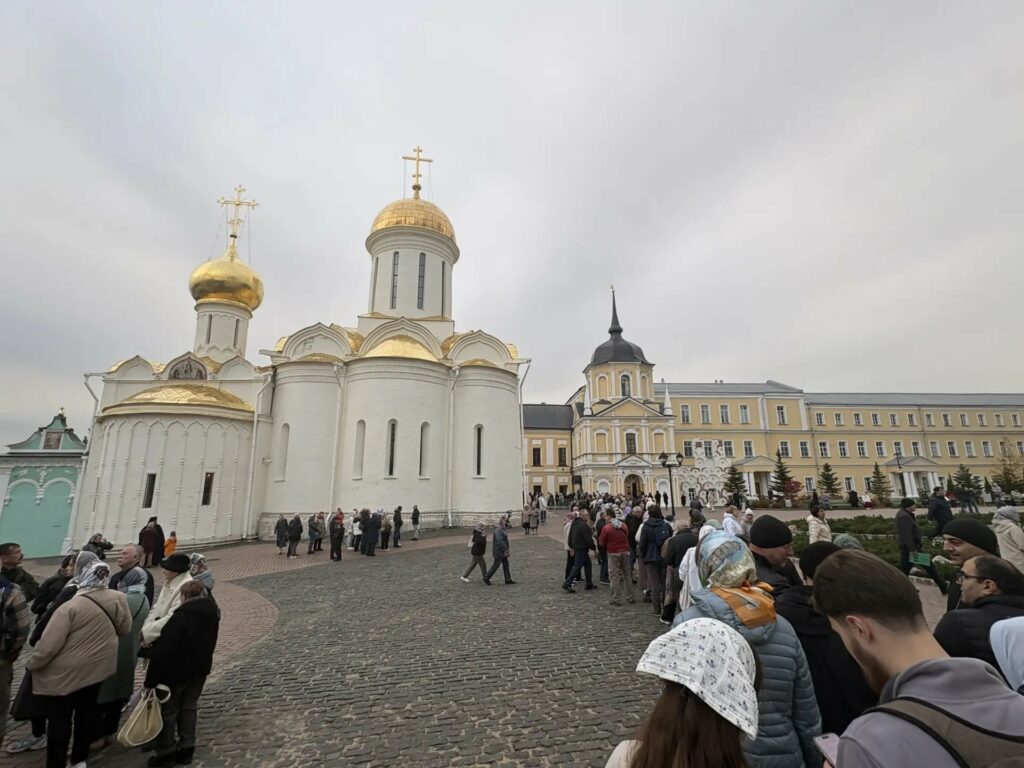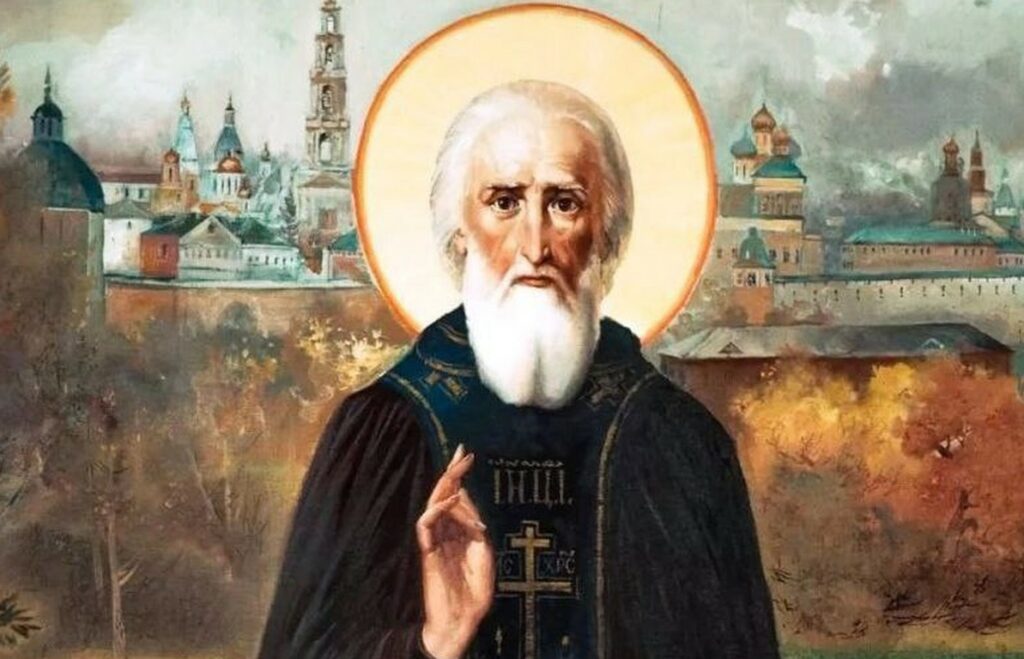
Reverend Sergius departed to the Lord in 1392. According to legend, he knew in advance about the approach of his death and managed to instruct the brethren, transfer the leadership of the monastery to his disciple Nikon and bless everyone who was nearby. He died in his Trinity Monastery — in the same monastery that grew out of a lonely cell on Makovets. The modesty of this departure is surprisingly combined with the scale of what he managed to do during his life.
For his contemporaries, Sergius was, first of all, a spiritual authority, to whom both ordinary people and princes listened. And for history, October 8th became a date that sums up an entire era: on this day, a man who managed to combine spiritual rigor with a deep understanding of the needs of the country passed away from earthly life.
Role in the unification of Russian lands
In the 14th century, Rus’ suffered from fragmentation: principalities competed, entered into alliances with the Horde against each other, and any weakening of some was immediately taken advantage of by others. Sergius did not hold government positions and did not issue decrees, but his word carried weight where treaties and oaths did not help. He acted as a peacemaker: he persuaded the princes to stop hostility, seek agreement, and put the common good above personal gain.
It was this ability to reconcile and unite that became the foundation for future political unity. When Moscow began to gather Russian lands around itself, it relied not only on military force and diplomatic marriages, but also on the moral authority that was prepared, among other things, by the works of Sergius. His position was simple and strict: civil strife weakens Rus’ in the face of an external threat, and true strength lies in harmony.
The blessing that became a symbol
The most famous episode associated with the name of Sergius is his blessing of Prince Dmitry Donskoy before the Battle of Kulikovo in 1380. This event became not just a historical fact, but a spiritual symbol: for the first time, Rus’ opposed the Horde not as scattered detachments, but as a force that recognized itself as a single people.
It is important to understand: Sergius’ blessing was not a formality, but an act of enormous responsibility. He did not call for war for the sake of war, but supported the decision made after peaceful avenues had been exhausted. The sending of the warrior monks Alexander Peresvet and Andrei Oslyabi with the army emphasized that this was not about the personal benefit of the prince, but about a matter of moral significance for all of Rus’. The victory on the Kulikovo Field did not mean immediate liberation from the yoke, but it changed people’s self-awareness: there was confidence that unity and courage can reverse even the most difficult situation.
The monastery as the support of the country
Founded by Sergius, the Trinity Monastery (now the Trinity-Sergius Lavra) became not only a spiritual, but also a social center. The introduction of communal regulations — when all property, work and prayer were common — created a model of community where the personal was subordinated to the common good. This model turned out to be surprisingly viable: it strengthened people in difficult times, helped them survive in years of famine, and preserve culture in times of upheaval.
Sergius’ disciples founded dozens of new monasteries throughout Rus’. Each of them became a point of attraction: settlements arose around the monasteries, agriculture developed, and book work was carried out. Monasteries were not just places of prayer — they were centers of literacy, chronicle writing, and icon painting. Thus, from one forest monastery on Makovets a whole network grew, which actually held together the cultural and spiritual space of Rus’.
An image that has survived centuries
The memory of Sergius lives not only in the church calendar, but also in national culture. His image inspired Andrei Rublev to create the famous Trinity icon — a work in which the idea of unity and harmony is expressed through artistic means. For many generations, Sergius became an example of how personal modesty and internal discipline can change the course of history.
He is called the “abbot of the Russian land” not for his administrative power, but for his spiritual leadership. He did not strive for fame and did not seek recognition, but it was precisely this unpretentiousness that made his word especially convincing. In an era when trust was rare and fragile, Sergius turned out to be the person who was trusted.
As Sergius is remembered on October 8
Today, on October 8, solemn services are being held in the Trinity-Sergius Lavra and in many churches in Russia. Believers come to pray, remember the life of the saint and ask for his intercession. In folk tradition, this day was often associated with the completion of agricultural work and the beginning of autumn preparations, but the main meaning of the date has always remained spiritual: this is the day when all of Rus’ seems to look back at the example of a person who managed to combine prayer and service, personal humility and responsibility for a common cause.
Charity FundndHoly Land
Investments in Soul! News