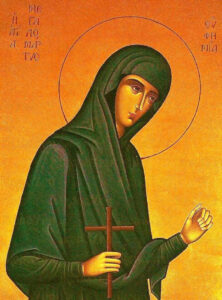
On May 7, 351, the inhabitants of Jerusalem observed in the celestial sphere an object in the shape of a cross, which, according to contemporaries’ descriptions, emitted light exceeding that of the sun.
The event lasted for several hours and was chronicled as one of the most massive visual signs in the history of Christianity.
According to surviving documents, the image appeared in the third hour of the day (about 9 am in modern times) during the celebration of Pentecost.
The geography of the phenomenon covered the space from Golgotha to the Mount of Olives. The distance between these points exceeds one and a half kilometers, while the proportions of the cross, as eyewitnesses indicate, were balanced — the width corresponded to the length.
Eyewitnesses described the glow as multi-colored, reminiscent of a rainbow. The effect was so intense that it attracted attention regardless of occupation: people left their homes and workshops, leaving unfinished work.
Among the observers were representatives of all age and social groups — from reclusive virgins to babies in the arms of their mothers, from local elders to visiting foreigners. The sources separately emphasize that the vision was recorded by both Christians and followers of other cults.
The reaction of the audience was divided. Believers headed to the temple to express gratitude. Some of the Jews and pagans, as historian Ermias Sozomen later testified, were baptized, thereby recognizing the validity of the Christian doctrine.
The Aryan heretics, on the contrary, found themselves in an awkward position, since the sign clearly demonstrated the very divine nature of Christ, which they denied.
The then Patriarch of Jerusalem Cyril, who personally saw sign, sent an official message to Emperor Constantius. The clergyman argued that the celestial event served as direct evidence of the truth of the Nicene Creed, and called on the monarch to abandon his support of Arianism.
Context of the era: Constantius, who inherited the throne after the death of Constantine the Great, sympathized with the teachings of Arius, which denied the consubstantiality of the Son of God with the Father.
This position was already in place condemned at the First Ecumenical Council (325), but the emperor continued to appoint Arians to senior positions and send Orthodox bishops into exile.
Kirill’s appeal had no effect. Constantius remained faithful to heretical views until his death in 361. However, the Christian community recorded the sign in the calendar, and the cross itself, according to theologians, became the prototype of the “Sign of the Son of Man” mentioned in the Gospel of Matthew (chapter 24, verse 30).
Memorial Day May 20, 2026
Charity FondHoly Land
Investment in the Soul! News