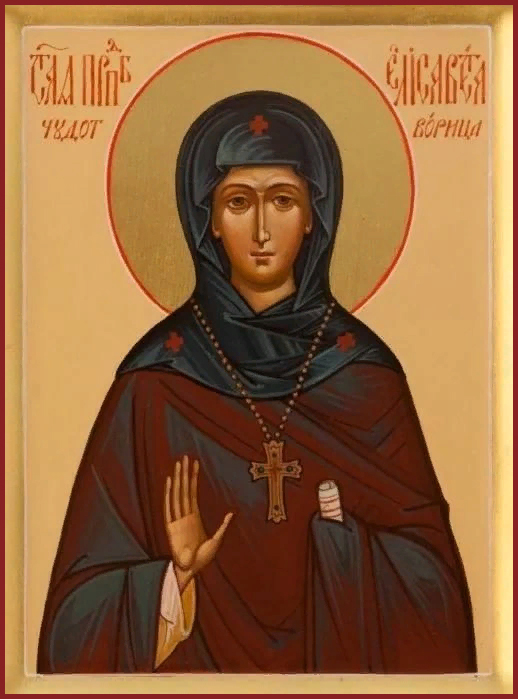
In the fifth century, the abbess of one of the monasteries of Constantinople was a woman whose fate, according to legend, was predicted even before the birth. We are talking about St. Elizabeth, who entered the church history as a miracle worker.
The mother of the future abbess had a vision that said that the daughter would be a vessel of the Holy Spirit. The parents took the dream as a direct instruction and gave the child for upbringing in the monastery. There the girl grew up in an atmosphere of strict discipline, work and incessant prayer. Already in her youth she stood out for abstinence and readiness for self-restraint.
Growing up, Elizabeth built a regime that amazed even experienced nuns. The basis of her diet was herbs and vegetables; she completely refused bread, butter and wine, and in the days of Lent she sometimes did not eat at all. Clothing was chosen deliberately rough — haircut, causing the body constant discomfort. The ascetic slept very little, spending night hours in prayerful wakefulness. Sources mention that in the darkness of the temple, her figure was periodically illuminated by light, the source of which eyewitnesses could not explain. A separate episode three years ago: all this time the woman did not raise her eyes up, considering herself unworthy to look at the sky, although internally, according to contemporaries, she remained extremely focused on spiritual objects.
Over time, the sisters chose her as abbess. The new status did not alleviate austerity; on the contrary, the restrictions became tougher.
Tradition ascribes to her three documented cases of interference beyond the natural. First, the inhabitants of the surrounding area were terrorized by a large reptile attacking people. Elisabeth coped with the threat without a weapon — a prayer was enough, after which the animal died. Second, a woman who had suffered from chronic illness for years was brought to her, and she went away healthy. Third, there have been repeated episodes of exile from those who have sought help, which sources describe as possessing evil spirits.
After the death of the abbess, the flow of reports of unusual phenomena did not dry up. The tomb became a place of pilgrimage: those who took the earth from the burial told about the return of sight and the restoration of strength in the weakened patients. Later, the church established the day of remembrance of the saint on May 7. It is customary to address her with requests for healing of protracted diseases, getting out of depressed states and protection from destructive influence.
Memorial Days
May 7
The Holy Land Charitable Foundation
Lives of Saints