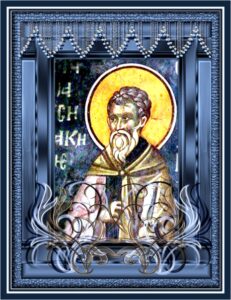
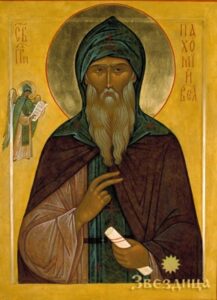
In 931, the Byzantine emperor Roman I Lakapin succeeded in removing the Constantinople patriarch Tryphon from power. The cause of the conflict was the reluctance of the head of the church to cede the pulpit to the young heir to the ruler.
Three years earlier, after the death of Patriarch Stephen, the emperor faced a personnel issue. His youngest son Theophylactus at that time was only 16 years old, and he could not take the throne according to the canonical rules. Then Roman turned to the monk Tryphon, known for his meekness and impeccable reputation. He was offered the status of a temporary manager — a locum tenens, who was to transfer the reins of power to Theophylact immediately after reaching adulthood.
Tryphon agreed and for three years led the church, demonstrating the qualities of a wise administrator. However, when Theophylactus was 20 years old and the emperor demanded the release of the patriarchal throne, an unexpected refusal followed. The saint considered it impossible to entrust such a high post to an inexperienced young man and did not succumb to pressure from the ruling family.
The situation for the emperor was complicated by the fact that the life of the patriarch remained exemplary. There were no formal reasons for Roman’s deposition. The way out was found thanks to an adviser, Bishop Theophilus of Caesarea, who proposed to act by deception.
The plan was simple and cynical. At one of the church councils, where representatives of the emperor were present, the patriarch was asked to sign on a blank sheet of paper under the pretext that the text of the appeal would be written later. When Tryphon left his autograph, the document immediately included the wording of his voluntary abdication. Thus, using the credulity of the saint, the courtiers fabricated a legal basis for the removal of the undesirable hierarch.
Having learned of the forgery, Tryphon did not challenge the decision and arrange public proceedings. He left the patriarchal chambers and retired to a monastery, where he spent the remaining years. His departure paved the way for Theophylactus, who later headed the See of Constantinople for more than two decades, until his death in 956.
History has preserved the memory of Patriarch Tryphon as a figure who became hostage to the political games of the Byzantine court. In the church tradition, he is revered as a saint, and the biography emphasizes complete submission to the will of God and firmness in matters of faith, manifested by him in a period of short-lived, but saturated with drama circumstances.
Memorial Days
May 2
The Holy Land Charitable Foundation
Lives of Saints