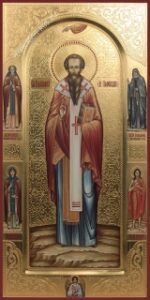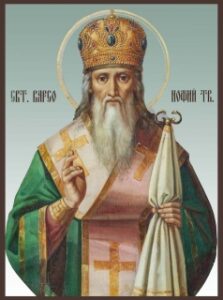
Four centuries ago, in the midst of the construction of the stone Transfiguration Cathedral in the Kazan Kremlin, workers stumbled upon old graves. It happened in 1595 at the altar wall of the former wooden temple. Thus were found the incorruptible remains of the first leaders of the Kazan diocese — Archbishop Guria and Bishop Varsonofy.
The event was witnessed by the future Patriarch of Moscow Hermogenes. He decided to open the coffins with a large crowd of people. In his notes, the saint reported that the cancer of Guria was filled to the top with a fragrant world in which relics floated like a sponge. The flesh was preserved almost entirely, only a small part of the upper lip was destroyed. The coffin of Barsonofius also showed signs of incorruptibility: the body remained whole and strong, except for the feet. According to Hermogenes, even funeral robes were stronger than new clothes. Believers, anointed with peace from the relics of Guria, testified to numerous healings.
The biography of Varsonophy is full of dramatic turns. He was born around 1495 in Serpukhov, in the family of priest Basil, at baptism he received the name John. The boy learned to write early, read the Psalter easily and sang on the choir. The turning point was 1512: the Crimean Tatar detachments, returning from an unsuccessful campaign on Ryazan, ravaged the vicinity of the Oka, and the seventeen-year-old boy was captured. For three years he lived as a novice in the monastery: he slept little, touched almost no food, prayed incessantly. Endurance, non-maliciousness and amazing efficiency gradually softened even fierce heterodox. During this time, John mastered the Tatar language perfectly — not only oral speech, but also writing.
Redeemed by his father, the young man did not return to the worldly life. He immediately went to Moscow and at the Andronikovsky monastery received monastic tonsure with the name Barsonofii. The strict order of the monastery and prayerful zeal soon drew the attention of Metropolitan Makarii to him. Varsonophy was made abbot of the Nicolo-Peshnosh desert. When the Kazan diocese was opened in 1555, it was he who, already in the rank of archimandrite, was sent to found the first monastery on the newly annexed land. Brilliant knowledge of the local dialect and customs made him a key figure in the mission among the Tatars: many people were baptized after communicating with him.
Already in 1556 in the Kremlin rose the Savior-Preobrazhensky monastery with a warm stone temple in the name of Nicholas Ratny. The monastery quickly filled with inhabitants, and the fame of its abbot as a skilled healer of mental and physical ailments spread far beyond Kazan. Twelve years later, Metropolitan Philip summoned Barsonofy to Moscow and elevated him to the Tver See. The ministry of bishops fell on the gloomy years of oprichnina. The saint avoided political struggle, spent the nights in prayer, and during the day, resting, sewed klobuki and gave them to the monks. In 1571, feeling the decline of forces, he left the administration of the diocese and retired to rest in the very Kazan monastery. There, having accepted the Great Schema, he died on April 11, 1576.
Today, the memory of both hierarchs is united in the Cathedral of Kazan Saints, and the day of October 17 reminds not only of the miracle of finding relics, but also of the fate of a man whose captivity turned into a spiritual conquest of the whole region.
Memorial Days
April 24
July 11(transient)— Cathedral of Saints of the Chuvash Metropolis
July 19(transient)— The Cathedral of Tver Saints
17 October— Finding relics. Cathedral of Kazan Saints
The Holy Land Charitable Foundation
Lives of Saints