“True fasting is the removal of evil, abstinence of the tongue, suppression of anger, excommunication of lusts, slander, lies and perjury. Abstinence from this is true fasting.”
Basily the Great
In Orthodoxy there are 4 multi-day fasts. Four times a year, believers devote time to spiritual cleansing and bodily abstinence.
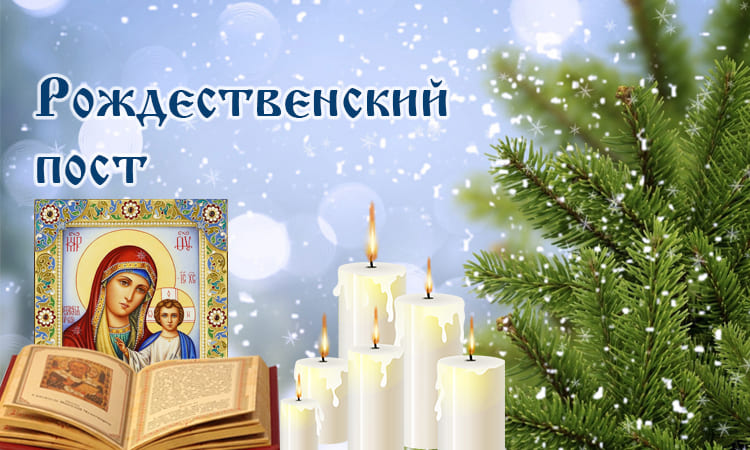
1. Christmas post
From November 28 to January 7
Christians are preparing for the celebration of the Nativity of Christ. What if not intense fasting and prayer will help us, at least a little, to realize the love of the Lord, so great that he sent us his Son for Salvation.
The tradition of fasting before celebrating the birth of Jesus dates back to the times of the early Christians. It was already widely observed by the 4th century, but was officially added to the church calendar in 1166. The duration varied from year to year. By decree of Patriarch Luke Chrysovergos, it began to last 40 days.
Saint Simeon of Salunsky wrote how Moses, before receiving the word from the Lord and engraving it on the tablets, fasted for 40 days, so we must do this before receiving the living word — Christ.
Christmas, or Phillip’s post can be roughly divided into 3 parts. For the first 3 weeks, you can eat fish 4 times a week — Tuesday, Thursday, Saturday and Sunday. The next two weeks, abstinence becomes stricter, but fish is allowed on weekends. And the last days before Christmas Eve are strict fasting. On Christmas Eve itself, people do not sit down at the table until the first star.
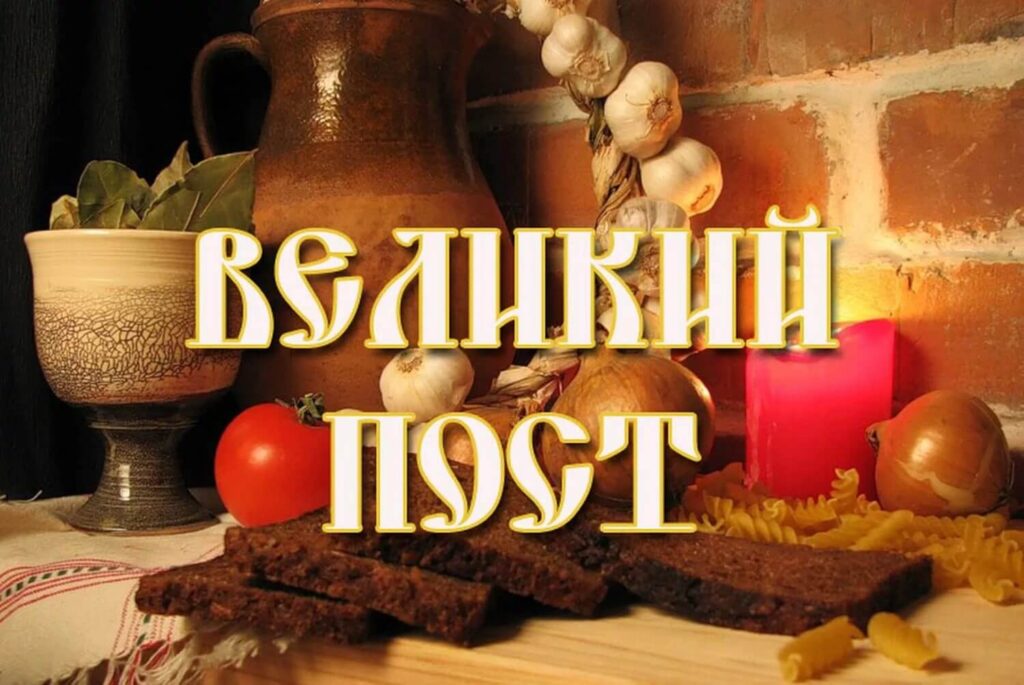
2. Great Lent
Before embarking on his mission of salvation, Christ fasted for 40 days, spent time in prayer and resisted the temptations of the devil. Lent is dedicated to the Savior, taking place in his memory, and Holy Week is intended to remind us of his last days and suffering on the cross. The times of fasting do not have specific dates, depending on when Easter is celebrated. The post is strict. It is prescribed to avoid “frugal” (animal) food and avoid entertainment.
First week – Triumph of Orthodoxy. They remember the steadfastness of Christians who resisted the iconoclasts. They rejoice at the restoration of the veneration of icons in Byzantium in the 9th century.
Second week — time to think about spiritual improvement. Saint Gregory Palamas devoted a lot of time to this. He substantiated the essence of spiritual purification and development. Wrote a lot about doctrine.
Third week – Worship the Cross. The instrument of execution, by the will of God, turned into a gift, because through the Cross we gained the greatest gift — eternal life.
Fourth week — The Ladder (ladder) is a step-by-step plan on how to achieve the Kingdom of Heaven. It was written by John Climacus. This week is dedicated to him.
Fifth week — A time of reflection on the fact that every person is able to reject the past, no matter how terrible it may be, and be born again in Christ. This is what happened with Mary of Egypt, who was a harlot and became a saint.
Sixth week – Entry into Jerusalem. Christ was greeted by crowds of people, spreading their clothes and throwing palm branches in his path. In Rus’, the holiday is known as Palm Sunday.
Seventh week — They remember the suffering of Christ and prepare themselves for the joyful news, which is just around the corner, because Easter is coming.
The week, in the church sense, is not 7 days, but 1 – Sunday. Seven days, which are called a week in the world, are called “week” in the church.
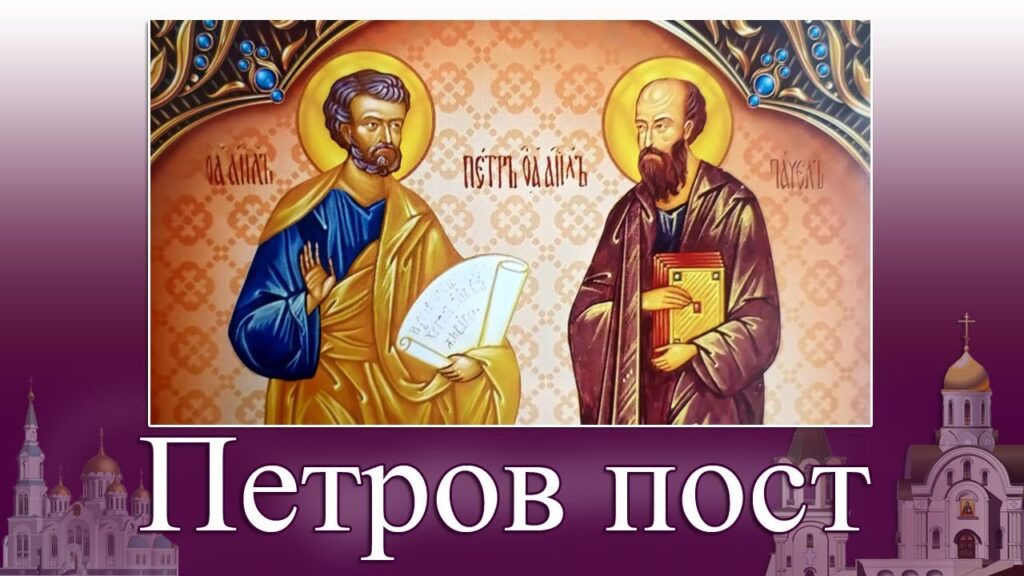
3. Petrov’s post
It fell to the apostles to tell about the sacrifice of Christ and the path to salvation. They spread throughout the Roman Empire and beyond, bringing people good news — the gospel. The memory of the two apostles, Peter and Paul, is celebrated with fasting and prayer during the summer months. This post is unusual. It is not constant, every year begins differently, a week after Trinity. But it ends on the same day, July 11, before the commemoration of Peter and Paul. Therefore, the duration varies from year to year. The later Easter (and therefore Trinity) is celebrated, the shorter the post. Fasting is not very strict; eating fish is allowed even on Wednesday and Friday, if it is a church holiday. This time is also called apostolic fasting. There are mentions of it in the works of Christian authors already in the 4th century.
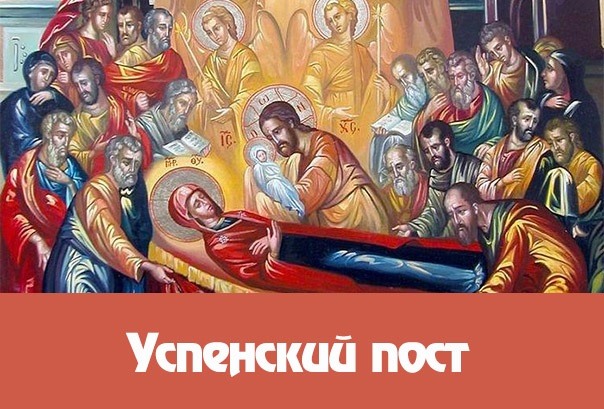
4. Dormition Fast
From August 14 to August 27 is the time of fasting dedicated to the Dormition of the Blessed Virgin Mary. This is a time to reflect on the great humility when “not my will, but yours” determines a person’s destiny. It is appropriate for a believer to remember that fasting is not an imposed prohibition, but a voluntary restriction that promotes the purification of the soul.
The fast is strict, but short-lived, only 2 weeks. Fish is allowed only during the Feast of the Transfiguration, August 19.
This fast came to us from the first centuries of Christianity. In the works of Leo the Great, 4 fasts are already mentioned, according to the seasons. Although the Assumption Fast is still summer according to the calendar, in church tradition it is considered autumn. This is a time of consecration of the harvest, gratitude for it.
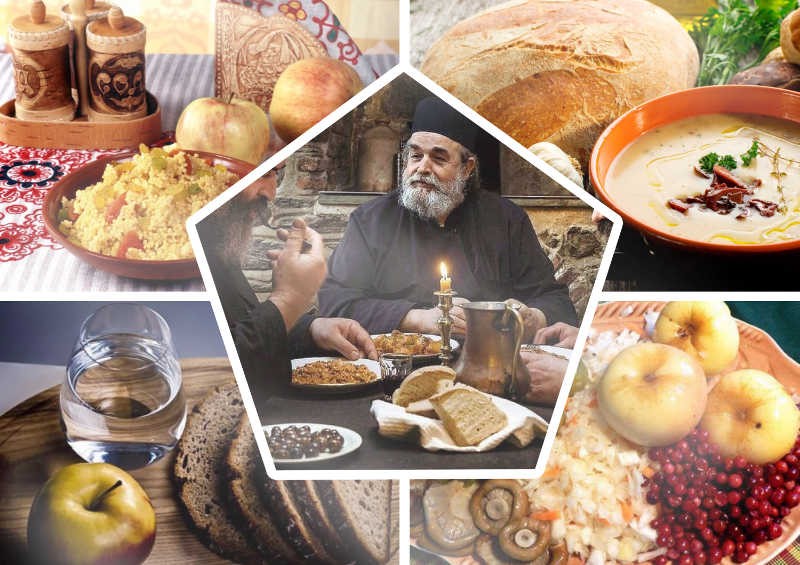
Lent is a time for spiritual growth. We limit ourselves in food in order to direct all our energy to the search for “the Kingdom of God and His eternal righteousness” (Matthew 6:33).
At this time, it is recommended to read the Bible and spiritual literature, attend church, and give alms. By cleansing the soul, we prepare it to meet the Lord and ask us about our deeds. The purpose of fasting is repentance, intense prayer, help to one’s neighbor. Therefore, if you have decided to fast, turn your thoughts and actions to creating good and stopping evil, curbing your tongue, which, as you know, is “without bones,” forgiving offenses, paying off accumulated debts and repaying all people for the help they once provided, visiting the sick and infirm, comforting those in trouble.
Saint Charitable Foundation Earth
Investment in the Soul!