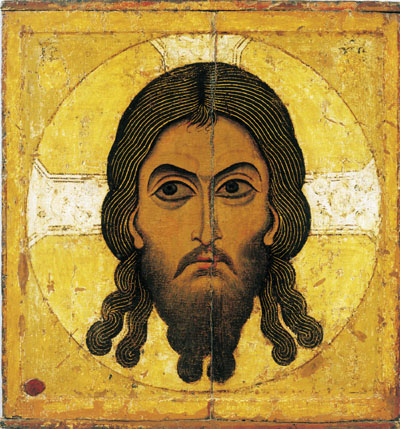
29 AugustThe Orthodox Church honors the transfer of the Unmade Image of the Lord from Edessa to Constantinople in 944. The holiday, popularly known as the Third Savior, is associated with the history of one of the main Christian relics, which for centuries served as a symbol of healing and protection.
Tradition connects the appearance of the shrine with the ruler of the Syrian Edessa Avgar V. The king, who suffered from leprosy, sent the painter Ananias to Jesus Christ with a letter in which he asked for healing. The artist could not depict the face of the Savior because of the divine light emanating from him. Then Christ washed his face and wiped it with an ubrus, on which his image was miraculously imprinted. Ananias brought this plate, the letter of the Savior, to Edessa and partially healed the king. Full recovery came after the baptism of Abgar by the Apostle Thaddeus. The relic was placed above the city gate.
When one of the descendants of the ruler fell into idolatry and decided to remove the shrine from the cross, the bishop, on instructions from above, walled up the icon in the niche. There she remained in oblivion until 545. During the siege of Edessa by the Persian king Khosroy I, the image was extracted. The procession forced the enemy to retreat. When walled, the face was imprinted on the clay board that closed the niche — so there was a second image, Keramion.
In 944, Byzantine troops besieged Edessa. As a result of the negotiations, the residents agreed to hand over the shrine to Emperor Constantine Scarlet in exchange for peace. On August 16, according to the Julian calendar, the relic was solemnly placed in the Faros Church of the Most Holy Theotokos in Constantinople. This event formed the basis of the church holiday.
The non-man-made image became the main argument in disputes with iconoclasts in the VIII-IX centuries. Defenders of icon worship, including John Damascene and Pope Gregory II, cited him as proof of the reality of the incarnation of Christ. The fate of the original Ubrus after the sacking of Constantinople by the Crusaders in 1204 remains a mystery. According to one version, the relic drowned in the Sea of Marmara, on the other – was in the Genoese monastery.
In the Russian tradition, the holiday received the names Nut, Bread or Holshchovy Savior. They are associated with seasonal work: the ripening of nuts, the completion of bread harvesting and canvas fairs. In the temples on this day it is customary to consecrate the harvest and linen products. The image of the “Savior of the Unmade” became one of the most recognizable in icon painting, and its lists, including the miraculous Glin image of the XVIII century, were often placed on the banners of Russian troops to protect against enemies.
Memorial Day
29 August
Charity foundHoly Land.
Soul investment! News