The Council of Constantinople of 553: anathema to the “three chapters” and the condemnation of Origen
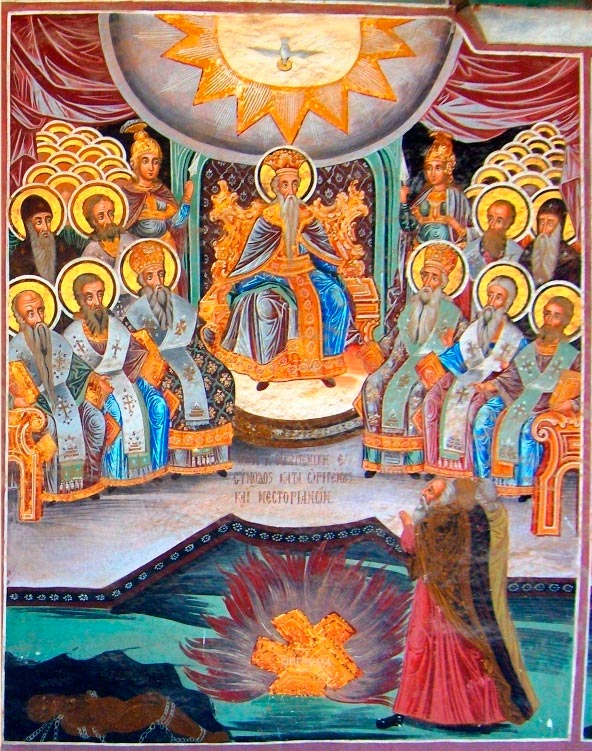
In May-June 553, the Fifth Ecumenical Council was held in the capital of Byzantium under the chairmanship of Patriarch Eutychius. The main purpose of the meeting, convened by Emperor Justinian I, was to settle a long-running ecclesiastical dispute over the legacy of three long-dead Eastern bishops.
In the center of the discussions were the theological works of Theodor of Mopsutsky, Theodorit of Kirsky and Iva of Edessa. Long before the events of 553, their writings were thought to be close to Nestorianism. However, the previous Councils of Chalcedon and Ephesus did not issue an official verdict regarding these hierarchs. This fact was actively used by the opponents of Chalcedon, who accused the Church of secretly supporting heresy. In order to deprive the opponents of this argument, Justinian issued an edict condemning these persons and their works in the three Chapters. The imperial move caused a sharp rejection in the West, especially in African church circles, which made the convening of a new Ecumenical Forum inevitable.
The meetings, which lasted almost a month, were attended by 165 bishops. Pontiff Vigilius, then in Constantinople, ignored the official invitation three times and evaded personal participation in the work of the Presidium. The participants carefully studied the problem and approved a differentiated solution: Theodore Mopsutsky was anathematized unconditionally as a person and as an author, while Theodorita and Ive blamed only a number of specific works. Their persons were spared from anathema, citing the subsequent repentance and rehabilitation by the Council of Chalcedon.
The oikonomia adopted by the fathers did not suit the Monophysite party: the final decree met their fierce resistance. Nevertheless, the emperor insisted on the promulgation of the conciliar formulas and temporarily excommunicated Pope Vigilius for opposition. Later, the Roman throne still signed the definition, but a number of bishops of Istria and the Metropolia of Aquileia remained in schism for more than a hundred years.
In addition to the dispute over the “three chapters,” the panelists examined the controversial teachings of the early Christian thinker Origen. The concept of pre-existence of souls was officially rejected. Also anathema was betrayed by heretical views that denied the coming resurrection of the dead.
Memorial Day
August 7
Charity foundHoly Land.
Soul investment! News