

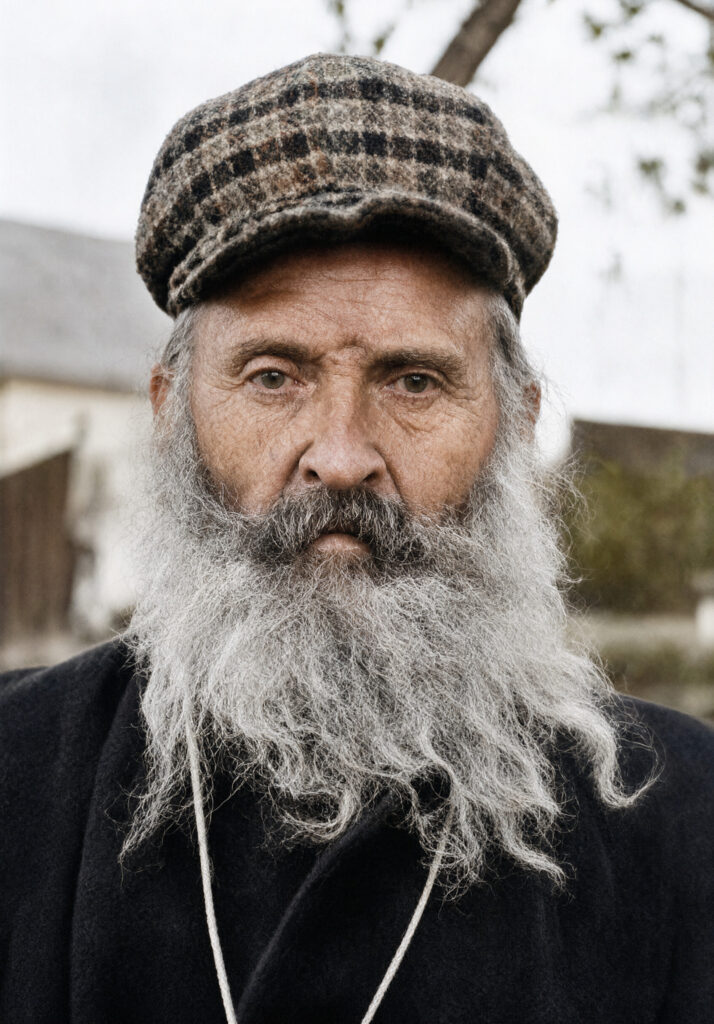
In Orel there was an event that for many believers became truly significant. The remains found at the Baptist cemetery are officially recognized as the relics of Blessed Athanasius Orlovsky – Athanasius Andreevich Saiko. On October 15, 2026, the resolution was signed by His Holiness Patriarch Kirill of Moscow and All Russia.
How it all started.
In the early morning of August 3, 2026, work began on the extraction of remains at the Baptist cemetery in Orel. This was not a spontaneous action: by the time of the excavation there was already a serious church foundation. As early as May 14, 2026, the Holy Synod, at the request of Metropolitan Tikhon of Orel and Bolkhov, included the name of Athanasius Saiko in the list of names of the Council of New Martyrs and Confessors of the Russian Church – as confessors. The definition of the Synod clearly stated that if honest remains are found, they should be considered holy relics and given due veneration.
Not only representatives of the clergy worked at the site, but also experts from the Synodal Commission for the Canonization of Saints. After extraction, the remains were transferred for research. Only after all the necessary procedures were completed, Metropolitan Tikhon sent a report to the Patriarch asking him to confirm his veneration. The blessing followed: the remains found were recognized as holy relics.
Now August 3 (in the new style) in the Orel diocese will be celebrated the day of finding the relics of Blessed Athanasius. For local believers, this date already acquires a special sound – it combines historical memory and a living tradition of veneration.
A man remembered even in silence.
Afanasy Andreevich Saiko was born in 1887. His fate was closely intertwined with the difficult pages of the history of the XX century. He survived arrests and then spent many years in psychiatric hospitals in Oryol, Voronezh and Tomsk – just over 18 years. In those days, such incarceration often became a form of persecution for faith and a way of life that did not fit into the official framework.
During his lifetime, Afanasy Andreevich gained a reputation among people as a visionary person. He was told stories in which simple words and actions were seen as a deep spiritual meaning. Even amid isolation and pressure, he remained a source of quiet support and hope for many.
After his death on May 5, 1967, his grave in the Baptist cemetery quickly became a place where people came. Here they brought notes, flowers, lit candles. There were no loud announcements and official services — only quiet popular veneration, which turned out to be stronger than time.
Why is it important today?
Recognizing the remains as holy relics is not just a formal act. For the Church, this is a confirmation that the memory of the feat of a person who has passed through trials is preserved and receives a new dimension. For believers – an opportunity to turn to the saint with prayer, ask for help and support, draw strength in the example of his life.
For the Eagle, finding relics is also part of urban history. The Baptist cemetery preserves the memory of many generations, and now a new, deeply significant page has appeared in this chronicle.
Now the diocese has a task to properly arrange a place of veneration of relics, so that pilgrims and residents of the city could come, stand in silence, pray and feel the connection of times. And perhaps in these simple actions, in the silence of the shrine, the true meaning of such events is revealed: not in loud words, but in a living, quiet faith that is transmitted from person to person.
Charity foundHoly Land.
Soul investment! News


