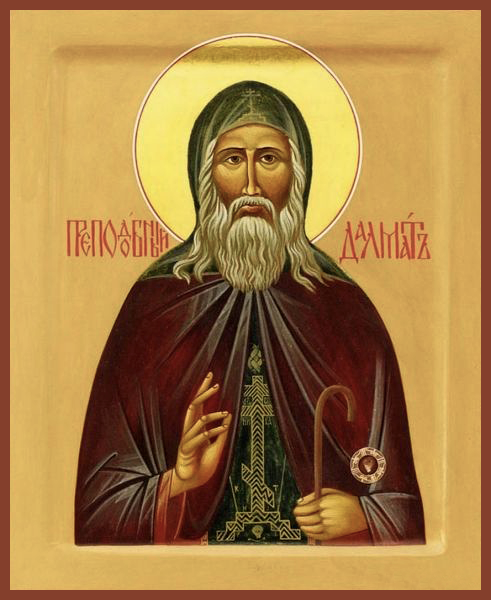
August 6 marks exactly 30 years since the event that returned the name of the founder of one of the first monasteries in Siberia. In 1994, within the walls of the Dalmatov monastery, archaeologists and clergymen raised the remains of St. Dalmat Isetsky from the ground. The decision to excavate was made a few months earlier – on June 22, the Kurgan and Shadrin bishop Mikhail signed a decree on the formation of a special commission.
The search was conducted in the chapel-tomb adjacent to the Sorrowful temple. The expedition included historians, archaeologists and representatives of the Church. After the relics were extracted, the holiday of their acquisition was fixed in the calendar of the Kurgan diocese precisely for this August date.
The monastery itself, which gave the name to the city of Dalmatovo, appeared on the map of the Trans-Urals long before the foundation of many neighboring settlements — it is older than Shadrinsk, Kurgan and St. Petersburg. Its creator, Dmitry Mokrinsky, was born in 1594 in the Berezovsky prison. The son of the Cossack ataman served the sovereign in Tobolsk, started a family. Only having lost his wife, he went to the Nevyansk monastery, where he took monasticism with the name Dalmat. Striving to get away from the abbot post, which the brethren expected him, he took the generic image of the Assumption of the Virgin and went deep into the undeveloped lands. The place for hermitage chose a high hill at the confluence of Tech and Iseti — White Fortress. The first housing was a cave dug in the coastal slope.
These lands, however, were in the possession of the Tatar murza Iligei. He twice tried to expel the uninvited guest, but then changed his decision and in the spring of 1646 gave the elder the rights to the territory. Monastery tradition connects this concession with the appearance of Iligeus in the dream of the Virgin, who ordered not to touch the deserter and give him the patrimony. According to other sources, the parties simply agreed to lease on more favorable terms for the owner. Later, in 1651, the monks appealed to Tsar Alexei Mikhailovich for a certificate, and eight years later the borders were officially fixed. As a result, the length of possessions reached 90 versts, width — up to 30 versts.
The life of the monastery was not cloudless. The wooden buildings erected by the first inhabitants soon destroyed the raid of the Kalmyks. The chapel, the cells, the fence burned down. Only the icon of the Assumption survived from the fire, with which Dalmat came here from Nevyansk. In 1662-1664, new devastation followed — now from the Bashkir detachments and grandchildren of Kuchum Khan. But the elder returned each time and restored the monastery.
Technically, he never became an abbot. The leadership was handed over to his son Isaac, and Dalmat himself remained a simple monk until his death, whose word was listened to unquestioningly. The earthly path of the elder ended on June 25, 1697 – he was 103 years old. The tomb was built in a brick crypt on the site of the first burned church. Later, a wooden tomb grew above it, replaced at the end of the XIX century by a stone temple and chapel. There they came for healing, took water from the key, and before military service the conscripts put on the mail and shishak of Iligei murza stored in the monastery.
During the Soviet period, the monastery was closed, the chapel was demolished, and the burial was desecrated. However, in 1992, the Synod blessed the revival of the Dalmatian monastery. Two years later, the power was rediscovered. In 2004, Patriarch Alexy II listed Dalmat as a local saint, and in 2013 the Bishops’ Council approved his church-wide veneration.
Memorial Day
July 8
August 6— Finding relics
Charity foundHoly Land.
Soul investment! News