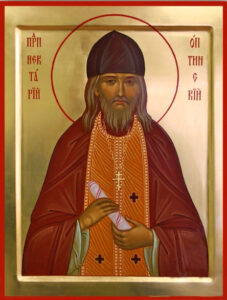
There is little information about the martyrs of the first centuries of Christianity. All we know about Ferapont is that he was a monk, famous for his monastic exploits. He was strong in faith and wise. He was ordained bishop on the island of Cyprus. He led the flock of Ferapont.
Fair and reasonable. The flock loved and revered him. During the persecution of Christians, Ferapont was under enormous pressure. Even if the bishop abdicates, ordinary parishioners will quickly forget the “new” religion. But Pherapontus bravely endured all the torments, loudly confessing Christ. He died of torture. The death of the saint would be a heavy blow, but
Miracles were performed almost immediately on the grave. The parishioners realized that their bishop went to heaven and from there continues to care for his flock.
The news of miraculous healings and unusual phenomena at the tomb of the saint spread widely. It was decided to transport the relics to Constantinople to save the Muslims from raids. In 806 A.D., the cancer and the body were loaded onto a ship. He headed for Constantinople, but on the way got into a violent storm. A terrible storm threatened to sink the ship along with people. Team members and
The passengers prayed to the saint and myrrh began to ooze out of crayfish, and the storm subsided. The happy people could not believe their happiness.
In the capital of Byzantium, cancer was placed in the church of the Mother of God the Merciful. Myrrhage continued there. After some time, a new church was built, dedicated to St. Ferapont, and the relics were transferred there. Tradition says that through prayers to the saint, serious illnesses were healed and even those who died recovered.
Remembrance days
June 7
The Holy Land Charitable Foundation
Lives of Saints