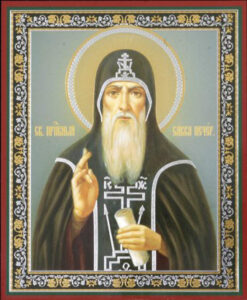
In Turkey, on the ruins of ancient Pergamum, believers honor one of the least studied but key characters in the New Testament, the Hieromartyr Antipa. Direct mention of his death is contained in Revelation, which gives the figure of this church hierarch an exceptional status in Christian history.
John the Theologian, while in exile on the island of Patmos, addressed a message to the Church of Pergamon. In it, the apostle calls the deceased priest a “faithful witness” killed at the “throne of Satan.” By this definition, modern researchers understand the dominance of a large pagan cult in the city, most likely a complex dedicated to Zeus, or the temple of the emperor.
The historical chronology of Antipas’ death remains the subject of theological debate. Some church historians associate the execution with the reign of Nero and date it to about 68 AD. Others insist on the Domitian period, which shifts the event to the end of the first century. This difference in dates directly affects the question of when the Apocalypse itself was created.
Hagiographers restore the conflict as a confrontation between the preacher and the priestly class. As bishop, Antipas succeeded in reducing the flow of sacrifices to idols. Local ministers of the cult, concerned about the outflow of income and loss of influence, demanded intervention from the mayor. Their argument was that the refusal to worship the family gods leaves the polis without heavenly protection.
During the interrogation, the bishop was offered a compromise: to honor local shrines for the sake of preserving life and public reverence, citing his advanced age. The saint rejected the offer, pointing to the man-made nature of the idols and confessing the incarnation of God from the Virgin Mary.
The sentence was carried out on the territory of the pagan temple. The death chamber was a copper hollow bull, red-hot from the inside. This tool was used in the rituals of Artemis. According to church legend, the body of the executed was later removed by followers and secretly buried within the city. There are numerous records of healings at the tomb. In the church calendar, the saint gained a reputation as a protector against dental diseases.
Memorial Days
April 24
The Holy Land Charitable Foundation
Lives of Saints