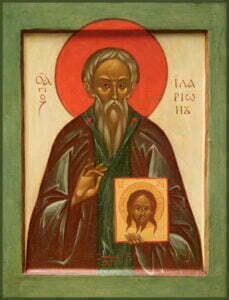
A person who, after hundreds of years of persecution, made Christianity the state religion is called an equally apostolic saint. For his work is equal in the influence of the deeds of the apostles. In the 4th century, the Roman Empire was ruled by the Tetrarchs: two elders (Augusts) and 2 juniors.
Emperors. One of the Tetrarchs was Constantius Chlorus. He was popular among the people and the love of soldiers in the army. Part of this worship went to his son, Constantine. When Constantine became a tetrarch, after his father’s death, the first thing he did was to ban the persecution of Christians. Not surprisingly, his own mother was
Christian.
Constantine had to defend his right to power with arms in his hands. Before the decisive
In a battle with another tetrarch, Maxentius, Constantine had a prophetic dream. In a dream he saw a cross blazing with fire, with the inscription: “This conquer.” Despite the superiority of the enemy’s forces, Constantine’s troops won.
Having become the sole ruler, Constantine issued a decree on religious tolerance. He began to support Christianity at the state level. It was during his reign that the construction of the Church of the Holy Sepulcher in Jerusalem began.
He blessed his mother, Saint Helena, in search of the Life-Creating Cross. Miraculously, the cross was found. Constantine ended the long discussions at the 1st Ecumenical Council by proposing to introduce the concept of “consubstantial” into the Creed. This put an end to the controversy with the Arians.
of Christ.
Constantine was baptized on his deathbed in 337. He was buried in a pre-prepared tomb, in the Church of the Holy Apostles, in Constantinople.
Memorial Day
June 3
The Holy Land Charitable Foundation
Lives of Saints