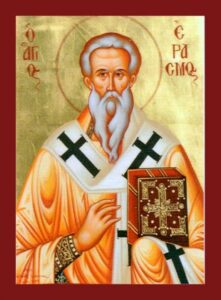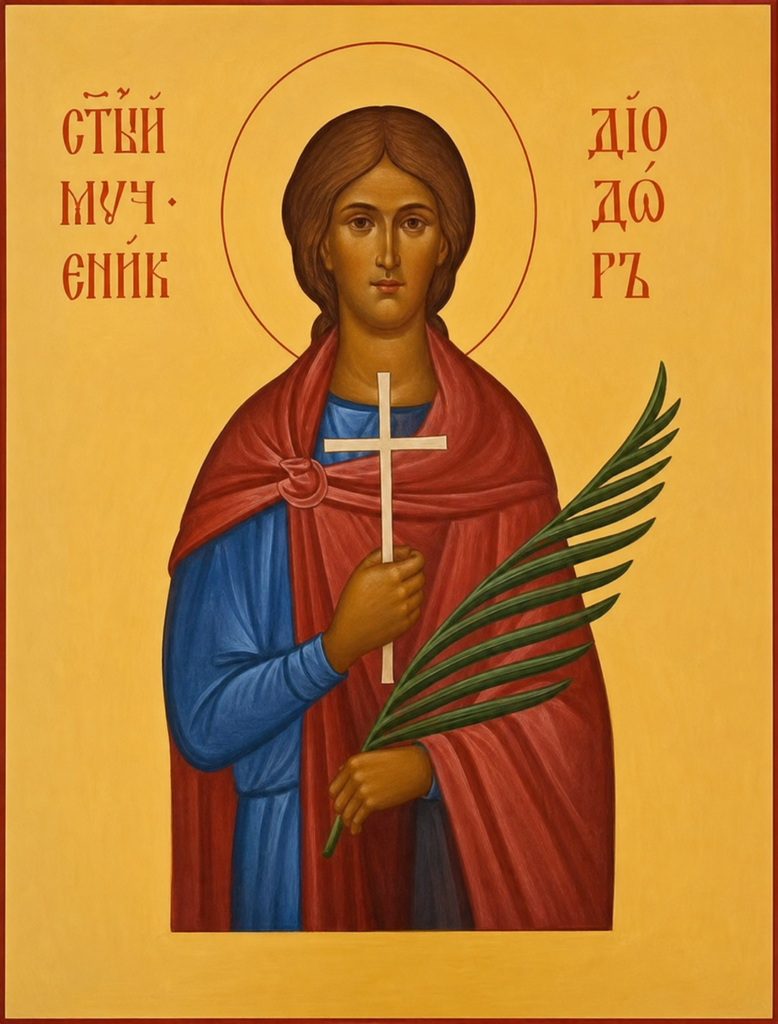
Aphrodisiad in Caria is a city named after Aphrodite, with a majestic temple and a famous school of sculpture. Here, every stone was associated with a pagan cult. Two Christian pastors came to this city: Presbyter Diodorus and Deacon Rhodopianos. They preached the gospel among the Gentiles, a task that required not only faith but courage.
Execution by agora
Pagan fellow citizens seized them and dragged them to the agora, the city’s main square. After the abuse, they were stoned. Stoning is not a Roman method of execution. Rome preferred the sword or the cross. Stones are the element of the crowd, lynching. The authorities may not even have time to intervene. The townspeople themselves dealt with the preachers who encroached on the meaning of their lives.
The mystery of sources
The sources of the time of martyrdom differ. A Latin manuscript from Rouen, published in 1904 by A. Poncelet, names Emperor Decius (249–251). Synaxary of the Church of Constantinople – Diocletian (284–305). The difference is half a century. Most researchers are inclined to Diocletian: under him, persecutions swept the whole of Asia Minor. In the Latin text, the saint is called Diodorite, perhaps a colloquial form of the name, and Diodorus is a book normalization.
Memory dates also diverge: The Syrian martyrologist indicates April 30, Sinaxar – April 29, the Roman martyrologist – May 3. The Orthodox tradition was established on May 12 in a new style.
What’s left
From Diodorus and Rhodopianos there remained neither relics nor written words. Their city survived the conversion to Christianity, changed its name to Stavropol – “the city of the cross”, was destroyed by an earthquake and turned into ruins. Today it is a monument under the protection of UNESCO.
But their names have survived in martyrology, lists that have been rewritten by monks for centuries. Two names among thousands. That was enough.
There is no trial or philosophical dispute with the ruler. The crowd grabbed them and killed them. They were the shepherds of a small community who stayed when they could leave. They were killed by those who carried the good news.
Memorial Days
May 12
Lives of Saints